
Building an earthquake emergency kit
An earthquake can strike without warning, and when it does, access to stores, electricity, or clean water may be limited. Having a well-stocked emergency kit ensures you can care for yourself and your household during the first critical days after a quake.
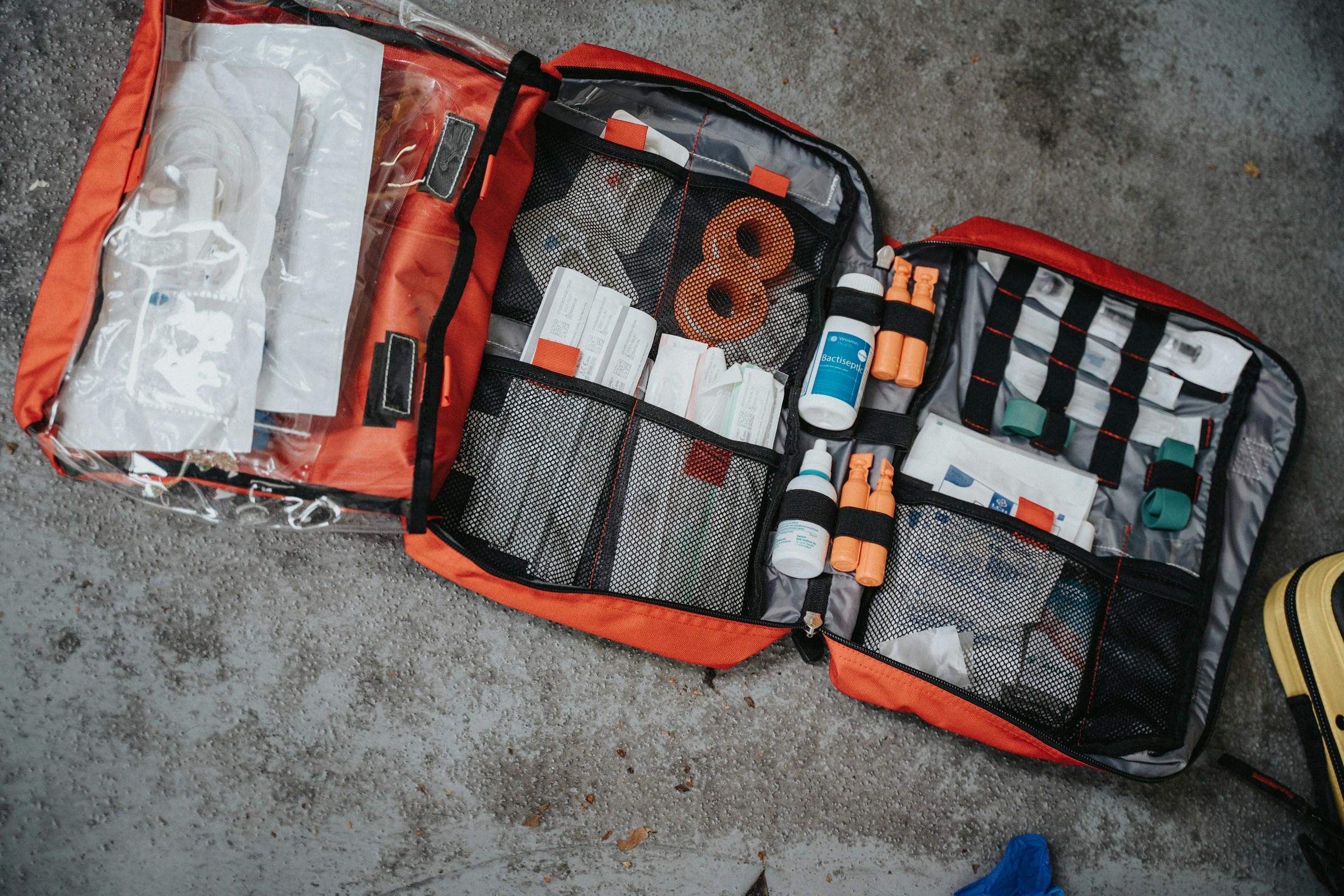
This guide will help you assemble a kit that balances essentials, safety, and convenience.
Why an emergency kit matters
During an earthquake, services such as water, gas, and electricity may be disrupted. Roads could be blocked, and shops may be inaccessible. A prepared kit allows you to:
- Meet basic needs for water, food, and shelter
- Provide first aid and medications
- Communicate safely when regular channels are unavailable
- Maintain hygiene and warmth
Being proactive reduces stress and increases safety for you and your family.
Essential items for your kit
Start with the basics — these are the items every household should have ready:
| Category | Essentials |
|---|---|
| water | 1 gallon per person per day (at least 3 days) |
| food | Non-perishable items (3–7 days supply) |
| light & communication | Flashlight, extra batteries, battery-powered or hand-crank radio, whistle |
| first aid | First aid kit, personal medications, bandages, antiseptics |
| documents & money | Copies of important documents, cash in small bills |
| clothing & tools | Sturdy shoes, gloves, warm clothing, multi-tool |
| hygiene | Face masks, sanitary items, moist wipes |
Store items in a durable, waterproof container that’s easy to reach.
Optional but recommended items
Once your basic kit is ready, consider adding:
- Blankets or sleeping bags
- Portable phone charger or power bank
- Spare keys for car and home
- Baby supplies if needed (diapers, formula)
- Pet supplies (food, water, leash, carrier)
- Local maps
Adding these items ensures you’re prepared for longer disruptions or complex situations.
Maintaining your kit
- Check food and water expiration dates every 6–12 months
- Replace batteries and medications as needed
- Update documents and contact information regularly
- Practice using your kit during drills so everyone knows where items are
A kit is only useful if it’s accessible and up to date.
Key takeaways
- An earthquake emergency kit provides safety, comfort, and security when services are disrupted.
- Start with essentials: water, food, light, first aid, and documents.
- Gradually add optional items to cover specific household needs.
- Regularly review, update, and practice using your kit.
Being prepared does not prevent earthquakes, but it ensures you can respond quickly, safely, and calmly.
References
- American Red Cross – Earthquake safety