
The 2011 Tōhoku earthquake and tsunami
On March 11, 2011, Japan experienced one of the most powerful earthquakes in its history. Known as the Tōhoku earthquake, it registered a magnitude of approximately 9.0 and struck off the northeastern coast of Honshu, Japan’s largest island.
The earthquake was caused by the sudden movement along the subduction zone where the Pacific Plate dives beneath the North American Plate. This massive shift released an enormous amount of energy, shaking buildings, roads, and infrastructure across the Tōhoku region.
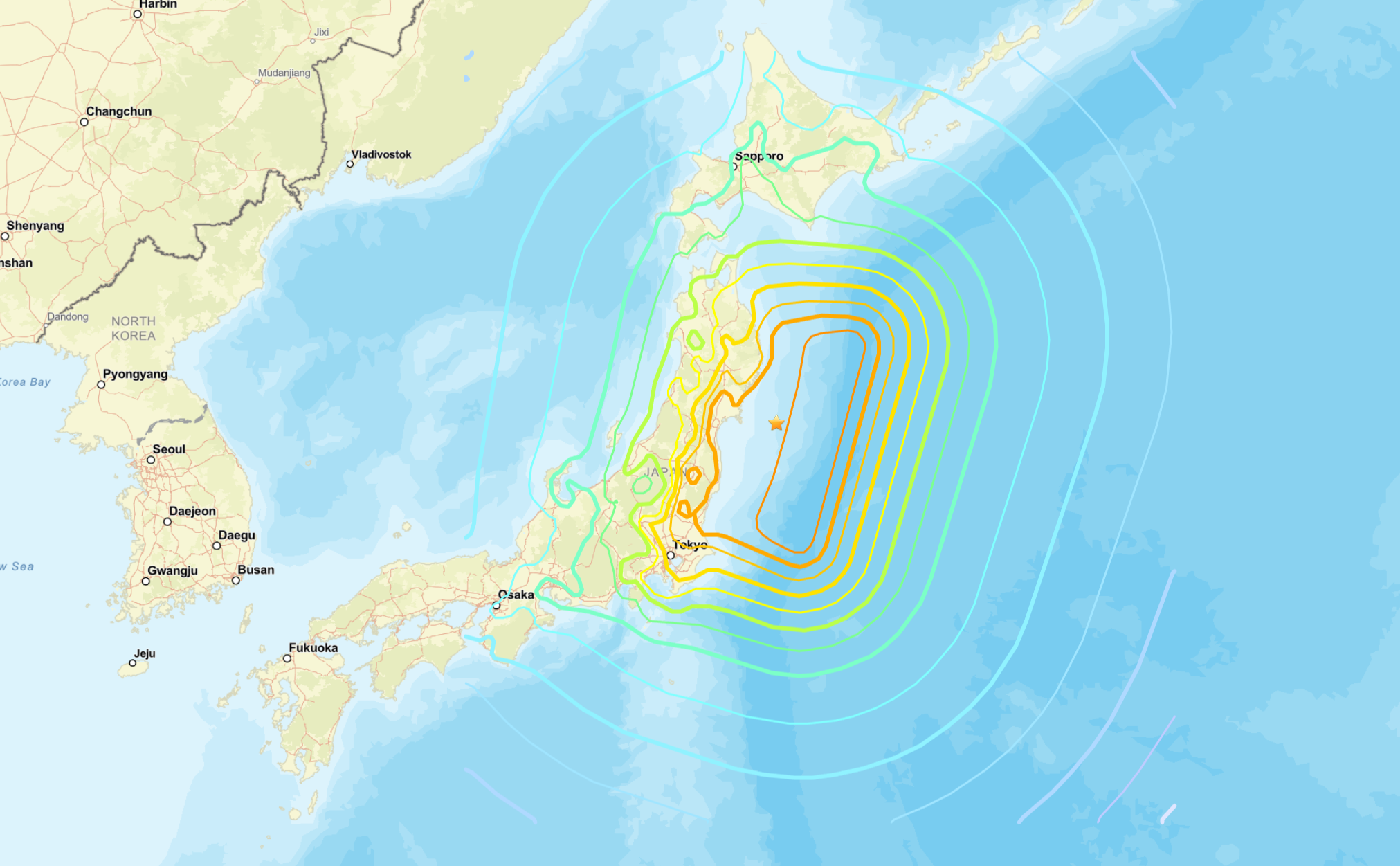
The tsunami
The earthquake triggered a devastating tsunami. Waves reached heights of up to 40 meters in some coastal areas, traveling several kilometers inland. Entire towns were flooded, and thousands of buildings were destroyed. The tsunami also caused severe damage to ports, roads, and railways, disrupting daily life and emergency response efforts.
Human and social impact
The Tōhoku earthquake and tsunami led to:
- Over 18,000 deaths and missing people.
- Tens of thousands of injuries.
- Massive displacement, with hundreds of thousands of people forced into temporary shelters.
- Loss of homes, infrastructure, and livelihoods, particularly in coastal communities.
Communities and local governments faced challenges in rescue operations, food distribution, and rebuilding. International aid and volunteers played a key role in supporting relief efforts.
Fukushima nuclear disaster
The disaster also caused a nuclear crisis at the Fukushima Daiichi Nuclear Power Plant. The tsunami waves damaged the cooling systems of several reactors, leading to partial meltdowns and radioactive contamination. The incident highlighted the vulnerability of nuclear facilities to natural disasters and prompted worldwide safety reviews.
Aftershocks and long-term effects
Japan experienced thousands of aftershocks in the weeks and months following the main earthquake, some exceeding magnitude 7.0. The event also caused changes in the Earth's crust and minor shifts in Japan’s position. Economically, the disaster affected industries, energy production, and global supply chains.
Preparedness and lessons learned
Despite Japan’s advanced earthquake preparedness and building standards, the scale of the tsunami exceeded expectations. Key lessons include:
- The importance of early warning systems for both earthquakes and tsunamis.
- Evacuation planning and community education.
- Strengthening coastal defenses and infrastructure to withstand extreme events.
- Monitoring and maintaining nuclear power facilities in disaster-prone regions.
Related articles
References
- United States Geological Survey (USGS). M 9.1 – 2011 Great Tōhoku Earthquake, Japan
- National Geophysical Data Center (NOAA/NGDC). Great Tōhoku, Japan Earthquake and Tsunami, 11 March 2011
- Shunichi Koshimura (ed.). “Lessons & Learned from the 2011 Tōhoku Tsunami” (International Research Institute of Disaster Science, Tōhoku University). PDF