
The 2023 Turkey-Syria earthquake
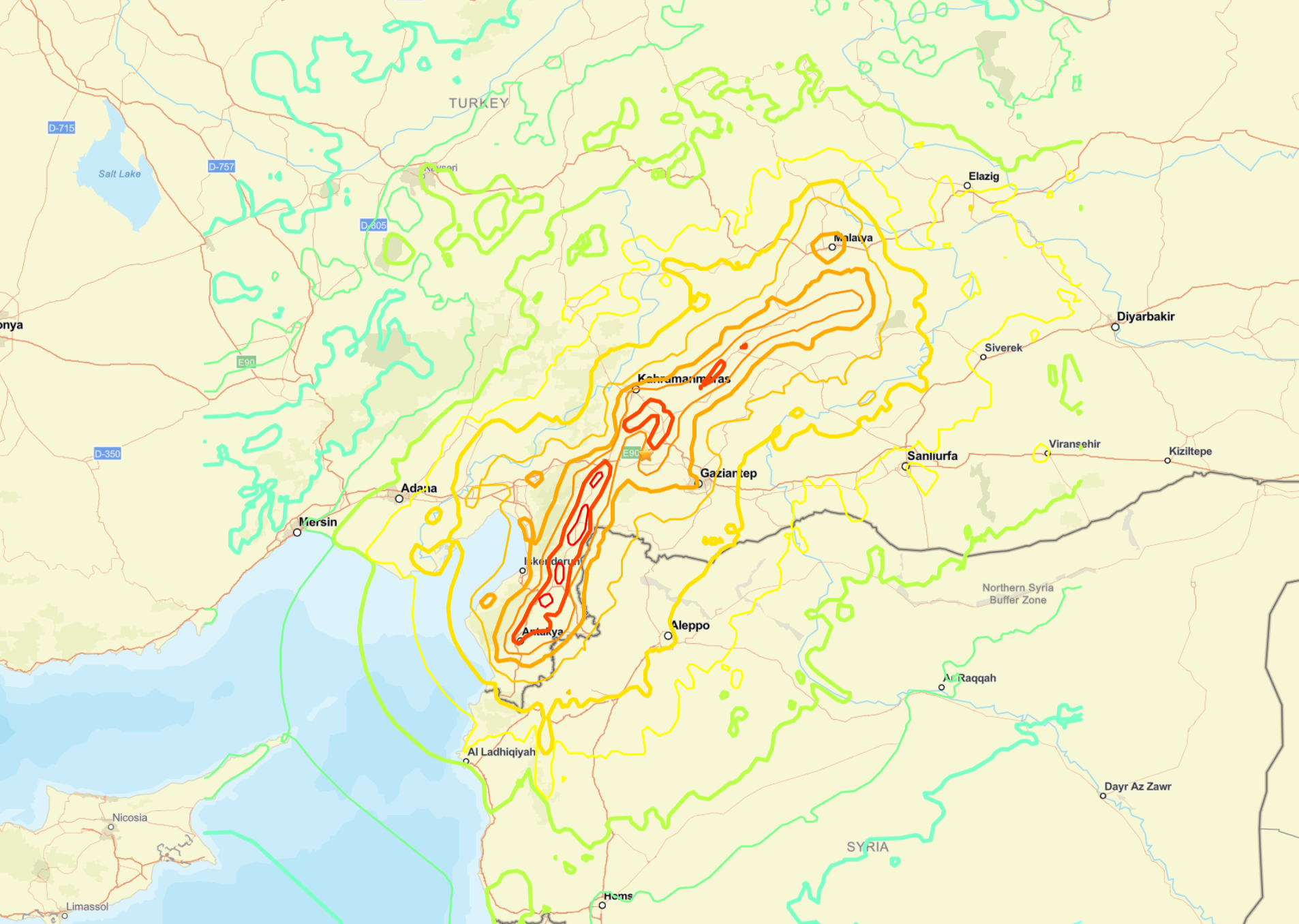
On February 6, 2023, a massive earthquake with a magnitude of 7.8 struck southern Turkey near the city of Gaziantep, followed by powerful aftershocks including a 7.5 magnitude quake. The earthquake also heavily impacted northwestern Syria, particularly the Aleppo region.
The quake occurred along the East Anatolian Fault, where the Anatolian Plate is moving westward relative to the Arabian Plate. The fault rupture spanned hundreds of kilometers, releasing enormous seismic energy and causing widespread destruction.
Immediate impact
The earthquake caused catastrophic damage across urban and rural areas:
- Entire buildings and apartment blocks collapsed, especially in Gaziantep, Hatay, Kahramanmaraş, and surrounding provinces.
- Infrastructure such as roads, bridges, and utilities was severely damaged.
- Power and communication networks were disrupted, complicating rescue efforts.
Human and social impact
The human toll was immense:
- Over 50,000 deaths reported across Turkey and Syria.
- Tens of thousands injured.
- Millions displaced from homes and shelters.
- Hospitals, schools, and markets destroyed, leaving communities without essential services.
In Syria, the ongoing civil war worsened the humanitarian crisis, with access to affected areas limited and recovery efforts hampered.
Rescue and international response
Emergency response efforts focused on rescue, relief, and medical support:
- Local and national search-and-rescue teams mobilized immediately.
- International aid, including medical teams, food, water, and temporary shelters, arrived from multiple countries.
- Efforts were complicated by cold winter temperatures and damaged infrastructure.
Long-term effects and lessons learned
The earthquake highlighted vulnerabilities in building standards, disaster preparedness, and urban planning:
- Reconstruction efforts will take years, requiring seismic-resistant building practices.
- Governments and NGOs have emphasized the importance of early warning systems and community disaster education.
- The disaster underscored the need for international coordination in humanitarian response, especially in conflict-affected regions.
Related articles
References
- United States Geological Survey (USGS). M 7.8 – 2023 Turkey–Syria Earthquake Sequence
- United Nations. Türkiye/Syria Earthquake Response
- Center for Disaster Philanthropy. 2023 Turkey–Syria Earthquake Overview & Impact